Introduction
Hello, I'm Daniel Ortiz, a former economics teacher turned blockchain educator. Since I first encountered Bitcoin in 2015 I've worked to make Crypto Basics & Education easy, clear, and practical for everyday people. This guide explains how fractionalizing physical LEGO sets works in 2025, why collectors and crypto curious buyers are interested, and what legal, valuation, and platform choices matter when you want to buy or sell shares of a rare set.
Fractionalizing a physical collectible means turning a single item into shares that multiple people can own, often represented by tokens on a blockchain. In the case of LEGO sets that are rare, limited, or high-value, fractionalization lets collectors access value without paying the full price, and it can improve liquidity in a market that was previously slow and opaque. This guide ties Crypto Basics & Education to real-world steps - from verifying authenticity and storage to choosing a platform and understanding securities rules.
Fractional ownership can open access to high-value collectibles for smaller investors while keeping legal and custody risks manageable when done right. Understanding the valuation methods and the common legal red flags is key before you buy any fractional share. This guide compares current 2025 platform options like Otis, Rally Rd, Fractional.art, BrickLink-based custody approaches, and Ledger hardware security for token holders.
Why this matters now: collectors are aging into digital finance, and crypto platforms are offering new ways to tokenize physical items. Investors want transparency, low fees, and custody certainty. Regulators are more active in 2025, so Crypto Basics & Education must include legal awareness - is the fractional share a security? Is custody insured? Who can legally sell shares? I will walk you through practical checks you can run on any fractional LEGO offering.
What I will cover: first we review five of the most relevant products and platforms you might use, each with detailed descriptions, technical data, and user scenarios. Then we'll go through a buyer's guide to help you choose the right approach based on budget, risk appetite, and storage needs. I'll finish with a thorough FAQ and closing recommendations so you feel confident evaluating fractional LEGO offers yourself.
Throughout this guide I'll reference Crypto Basics & Education topics like wallet selection, token custody, on-chain vs off-chain settlement, and how valuation models similar to those used in traditional finance apply to collectibles. My goal is to give you clear steps you can follow tonight to evaluate an offer, plus things to avoid. Let’s get started and make fractional ownership less mystifying and more usable for real people.
Otis Platform
Why Otis Is Included
Otis is a well-known US-based platform that fractionalizes cultural assets, including art, comics, and sometimes collectibles. I include Otis because in 2025 it remains one of the mainstream, consumer-facing ways people buy shares in unique items. While Otis primarily handles pop culture and art, their model shows how regulated, custodied fractional offerings can be structured for physical collectibles such as sealed LEGO sets.
Description
Otis offers curated drops where users can buy shares in an asset. The company performs custody, appraisal, and sale execution. For rare LEGO sets, Otis-like models may either hold the set in a custodial vault or partner with a third-party storage provider. The platform issues shares to investors, often using a centralized ledger rather than on-chain tokens. This lowers blockchain complexity for new users while still offering fractional exposure.

- Curated offerings reduce selection risk and scam exposure by vetting items.
- Custody handled by the platform - simpler for beginners with limited Crypto Basics & Education.
- Secondary trading windows allow liquidity without managing private keys.
- Regulatory compliance focus - clearer legal framework for US investors.
- User interface designed for collectors not crypto experts - easy onboarding.
- Platform fees can be higher than DIY tokenization - reduces net returns.
- Centralized custody means counterparty risk if the company or partner fails.
- Limited selection - not every LEGO set will appear on Otis.
Technical Information and Performance Analysis
Otis typically charges upfront fees plus a percentage on eventual sale - expect 5-10% total platform fees depending on the offering. Liquidity metrics vary: average time to full-sale historically for similar collectibles is 6-18 months, and secondary market spreads can be 3-8% versus last valuation. For fractional LEGO, expect valuations to track online marketplace indexes like BrickLink or BrickEconomy. Custody status: off-chain, insured vaults in US-based storage partners are common.
| Metric | Otis Typical |
|---|---|
| Minimum Investment | 0 - 00 depending on share size |
| Platform Fee | Approx 2-5% listing + possible sale fees |
| Liquidity | Moderate - secondary windows or scheduled sale |
| Custody | Centralized vaults, insured partners |
User Experience and Real-World Usage
On Otis you sign up with email, complete KYC, and fund via bank or card. The interface shows the offering history, the appraisal report, and expected hold period. For someone with basic Crypto Basics & Education, it feels like buying shares in a fund rather than dealing with wallets or private keys. Many users like the curated drops because they remove the need for physical verification, but others wish for lower fees and better secondary liquidity.
"Curation and custody are the value propositions here - collectors get expert vetting and less hassle." - Maria Chen, Collectibles Market Analyst
Maintenance and Care
Since custody is managed by the platform, individual investors are not responsible for physical maintenance. However, you should request and review condition reports and insurance details. Steps to verify custody: 1) Ask for the vault name and location. 2) Request an independent appraisal or condition report. 3) Confirm insurance limits and who pays premiums. 4) Check scheduled reporting frequency.
Compatibility and User Types
Otis-style platforms are best for beginners or investors who prefer minimal Crypto Basics & Education work. They are less suitable for advanced collectors who want on-chain tokens, full custody, or lower costs. If you want to combine on-chain trading and physical custody, you may need other platforms.
Expert Tips and Industry Insights
Because Otis is centralized, legal questions about securities may arise. Platforms with clear disclaimers and SEC-friendly structures reduce risk. For LEGO fractionalization, expect platforms to prefer sealed sets with documented provenance.
Comparison Table
| Feature | Otis |
|---|---|
| On-Chain Token | No |
| Custody | Platform Vault |
| Selling Mechanism | Scheduled sale or secondary window |
| Best For | New collectors, low Crypto Basics & Education |
User Testimonials
"I bought into a rare sealed set via a curated drop. The process was easy and I felt protected, though fees were higher than I hoped." - J. Morales
Troubleshooting
- Problem: Missing condition report. Fix: Request a dated appraisal from the platform and an updated photo report.
- Problem: Delayed sale. Fix: Ask for a timeline and look for secondary options within the platform.
- Problem: Platform insolvency worry. Fix: Check custody segregation and insurance details; consider withdrawing to a different vehicle if allowed.
Maintenance Costs and ROI
Expect annual custody or insurance fees to reduce net returns by about 0.5-1.5% annually. On a
Environmental and Sustainability Notes
Centralized custody can reduce carbon footprint versus on-chain heavy operations, but shipping and storage still have real-world emissions. Ask the platform about storage energy usage and any carbon offset programs.
Rally Rd
Why Rally Rd Is Included
Rally Rd is a regulated platform that offers shares in collectible assets like cars, comics, and sometimes toys or memorabilia. I include Rally Rd because it provides a US-based, investment-grade approach to fractional ownership, with a strong legal structure and a familiar brokerage-like experience. For Crypto Basics & Education learners, Rally Rd offers an approachable path into fractional collectibles with clear regulatory disclosures.
Description
Rally Rd issues shares in LLCs that hold the asset, and investors buy and sell through the platform. This legal wrapper can help with securities-regulatory clarity because the LLC owns the underlying item and shares represent ownership interest. Rally Rd tends to target higher-ticket items and markets to investors seeking professional-grade appraisal and active market making. For LEGO fractionalization the platform may accept sealed, provenance-backed sets, and the process includes appraisal, photography, and storage in secure facilities.

- Regulated structures and SEC-friendly disclosures reduce legal uncertainty.
- Active trading windows with order book-like mechanics improve liquidity.
- Professional appraisals and third-party custody options help preserve value.
- Investor protections like audited statements and tax reporting are common.
- Good for investors who want a brokerage feel without deep Crypto Basics & Education.
- Minimum investments can be higher than purely retail platforms.
- Fees and sales commissions may reduce upside on fast appreciation.
- Limited to assets that fit regulatory models - not every rare LEGO will qualify.
Technical Information and Performance Metrics
Rally Rd uses LLC structures and often charges origination fees plus management fees. Typical origination fee is 1-3% and annual admin fees around 0.5-1.5%. Time-to-liquidity historically ranges from 3-24 months depending on demand. For LEGO sets, Rally Rd may require a certified third-party appraisal and proof of provenance. The platform tracks market value using internal liquidity data and comparable sales from BrickLink or auction houses.
| Metric | Rally Rd Typical |
|---|---|
| Minimum Investment | $50 - $500 |
| Fees | Origination 1-3%, annual admin 0.5-1.5% |
| Liquidity | Higher than average via managed trading |
| Custody | Third-party vaults or insured partners |
User Experience and Real-World Cases
Sign-up requires KYC and in some cases accredited investor verification for certain offerings. Users appreciate the brokerage feel - limit orders, market indicators, and historical price charts are available. A common use case: a collector who wants exposure to a rare LEGO set without full purchase; they buy shares and track price movements like a stock. Another use case is portfolio diversification - shares in toys add collectible exposure to a diversified alternative assets portfolio.
"Rally Rd is about making collectibles investable in a way that aligns with investor protections and reporting standards." - Aaron Feldman, Securities Lawyer
Maintenance and Care
The platform coordinates storage and insurance. Investors should check who pays insurance premiums and what the replacement value coverage is. Steps to verify maintenance: 1) Confirm storage conditions - climate control, humidity levels. 2) Ask for photo updates on schedule. 3) Verify insurance policy number and coverage details.
Compatibility and Who Should Use It
Rally Rd is best for investors with medium Crypto Basics & Education who value legal clarity. It is less suited for people wanting decentralized tokens or custody control. If you prefer to hold your own private keys and manage logistics, Rally Rd may feel restrictive.
Performance Benchmarks and ROI Example
Example: 2014 limited LEGO set fractionalized with a $20,000 market cap. After 24 months, comparable sales rose 18%, platform fees and insurance reduced net to ~15% annualized. Remember historical performance varies widely by set and demand.
Comparison Table
| Feature | Rally Rd |
|---|---|
| Legal Structure | LLC shares |
| On-Chain Token | No |
| Best For | Investors seeking regulated exposure |
User Testimonials
"I like the clarity on fees and the reporting. Trading feels safe and there are clear docs for taxes." - L. Patel
Troubleshooting
- Problem: You want to withdraw your asset. Fix: Check the LLC dissolution or buyout terms and any minimum holding periods.
- Problem: Discrepancy in condition. Fix: Request an independent re-appraisal and compare with original intake photos.
Environmental Considerations
Storage facilities vary - ask about energy usage and regional carbon intensity. Some platforms are starting to offer carbon offsets for shipping and storage.
Fractional.art (on-chain fractionalization)
Why Fractional.art Is Included
Fractional.art is a decentralized protocol that allows NFT owners to fractionalize tokens into ERC-20 style shares. I include it because for people wanting Crypto Basics & Education and a path to true on-chain fractional ownership, Fractional.art shows how an NFT representing a physical LEGO set (after proper legal wrapping) can be split into tokens and traded on-chain. This is ideal for crypto-native users who want custody of tokens and on-chain liquidity.
Description
Fractional.art lets a single token owner lock an NFT into a smart contract that issues a fixed supply of ERC-20 tokens, representing fractional ownership. For physical LEGO, the typical flow is: 1) create a legal wrapper such as an LLC that owns the physical set; 2) mint an NFT representing the legal claim; 3) fractionalize the NFT into tradeable tokens. This requires stronger Crypto Basics & Education since you manage wallets, private keys, and on-chain interactions. The upside is transparency, composability, and potential listings on decentralized exchanges for liquidity.

- True on-chain shares allow composable DeFi interactions like staking or automated markets.
- Greater liquidity potential via decentralized exchanges and AMMs.
- Full transparency - token supply and holdings are public on-chain.
- Lower initial platform fees compared to curated centralized options.
- Flexibility to create fractional governance and buyout mechanics.
- Requires strong Crypto Basics & Education - wallet security and smart contract risks matter.
- Legal wrapping is necessary to link on-chain tokens to real-world ownership - adds complexity and cost.
- Smart contract bugs or rug risks if using unverified contracts.
Technical Details and Performance Metrics
Fractional.art uses ERC-20 tokens; gas and transaction costs depend on the blockchain. On Ethereum mainnet expect higher gas fees, while Layer-2 solutions like Arbitrum reduce costs. Metrics to watch: token supply, liquidity pool depth, average daily trading volume, and slippage on swaps. Example metrics: a typical fractionalized NFT token might launch with a supply of 100,000 tokens, 30% initial sale, and liquidity pool of
| Metric | Typical |
|---|---|
| Token Standard | ERC-20 representing NFT claim |
| Gas Costs | Low on L2, moderate-high on mainnet |
| Liquidity | Depends on initial pool and community |
| Custody | Token holders on-chain; physical custody off-chain |
User Experience and Real-World Scenarios
An on-chain fractionalization project for a rare LEGO set might attract crypto collectors who are comfortable connecting wallets, monitoring liquidity pools, and participating in governance. It also appeals to DAO-like groups that want to collectively manage or display an asset. If you are new to Crypto Basics & Education, expect a learning curve for bridging, gas management, and token swaps.
"On-chain fractionalization gives true ownership of a token that represents a claim - but the claim's legal enforceability depends on robust off-chain contracts." - Dr. Lena Morales, Blockchain Researcher
Maintenance and Care
Maintenance responsibilities split: token holders care for on-chain security - secure wallets, hardware wallets recommended - and the custodian or LLC handles physical care. Steps for token holders: 1) Use a hardware wallet for storage. 2) Verify contract addresses and audits. 3) Monitor liquidity pools and token approvals carefully.
Compatibility and User Types
Best for crypto-native users and DAOs comfortable with Smart Contracts and token economics. Not ideal for users who want legal simplicity or who want the platform to handle custody entirely. If you want to bridge into DeFi or use tokens as collateral, on-chain fractionalization offers many more options.
Case Study
Example case: A sealed limited edition LEGO set is wrapped in an LLC, an NFT is minted, then fractionalized into 200,000 tokens on Arbitrum with an initial liquidity pool of $25,000. After 6 months, trading volume increased and token price rose 12%, while on-chain governance coordinated a buyout proposal. Holders who used hardware wallets benefited from secure custody; early token creators paid for legal wrapping and audits, reducing some upside but improving enforceability.
Troubleshooting
- Problem: High slippage on swaps. Fix: Add liquidity or wait for larger pools; use limit orders where possible.
- Problem: Concern about off-chain enforceability. Fix: Review LLC docs and consult legal counsel for clarity on token claim enforcement.
- Problem: Lost wallet keys. Fix: If you lose keys you lose tokens - use hardware wallets and backups to avoid this.
Environmental and Future-Proofing
Using Layer-2 or proof-of-stake blockchains reduces energy footprint versus older proof-of-work chains. For future-proofing, prefer audited contracts, legal wrappers with clear terms, and flexible buyout methods that scale as community size grows.
BrickLink Market and Traditional Valuation Tools
Why BrickLink Is Included
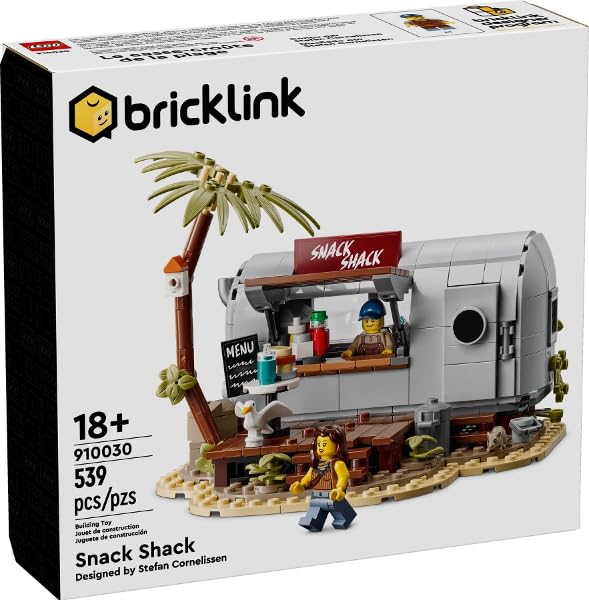
BrickLink is the largest marketplace for LEGO parts and sets and is an essential valuation reference for any fractional LEGO project. I include BrickLink because fractionalization needs accurate, current market prices to set token values and to appraise sets. BrickLink's price guide and historical sale data are invaluable for Crypto Basics & Education when you want to determine fair market value before tokenizing.
Description
BrickLink aggregates listings from global sellers and offers historical price guides, completed sale data, and current asking prices. For sealed rare sets, BrickLink shows realized prices that fractional platforms often use as comparables. Collectors use BrickLink to check rarity, recent sale volumes, and regional price differences. While BrickLink is not a fractional platform itself, it provides the market data necessary to price tokens or shares accurately. It's a core tool for anyone assessing the value of a potential fractionalized LEGO asset.
- Comprehensive market data and historical sales for LEGO sets.
- Global seller network gives broad price discovery.
- Tools for condition grading and listing comparisons.
- Useful for building valuation models and comparables for fractional offers.
- Free to browse and widely trusted by collectors.
- Data is market-driven and can be volatile - few recent sales may distort valuations.
- Condition differences and region-specific demand complicate direct price comparisons.
- No custody or legal structure - it's a marketplace, not a fractionalizer.
Technical Data and Valuation Metrics
Key BrickLink metrics used in valuations: median sale price over the last 6-24 months, sale volume, condition premium for sealed vs loose sets, and regional price differences. For fractionalization you calculate a base market cap by multiplying a reasonable market price per set by the desired number of shares. Example: If median sealed price is $2,000 and you create 2,000 tokens, initial token implied price is
| Metric | How to Use |
|---|---|
| Median Sale Price | Set starting valuation |
| Sale Volume | Assess liquidity and confidence in price |
| Condition Premium | Adjust valuation for sealed vs used |
User Experience and Use Cases
Collectors and fractional issuers use BrickLink to build comparables and to set reserve prices for a sale. A typical workflow: 1) Search the exact set number. 2) Filter by sealed condition and region. 3) Check completed sales for the last 12 months. 4) Average prices and apply condition adjustments. This is part of proper Crypto Basics & Education so token holders know what market prices they track.
"BrickLink data is the backbone of valuation for LEGO sets; you can't fractionalize without market comparables." - Thomas Reid, LEGO Market Researcher
Maintenance and Best Practices
Keep regular watchlists and snapshot prices before a fractional offering. For maintenance: 1) Save completed sale screenshots. 2) Track seasonality - some sets sell higher during holidays. 3) Keep notes on grading and photos used in the offering. This helps justify your valuation to potential buyers or to a legal advisor.
Compatibility and Who Should Use It
BrickLink is for anyone doing valuations - issuers, collectors, and token holders. Even on-chain projects should reference BrickLink when setting reserve prices or buyout offers. For Crypto Basics & Education it's a hands-on tool that teaches how real markets set prices.
Troubleshooting and Common Issues
- Problem: Sparse data for rare set. Fix: Use auction houses or eBay comps and adjust via expert appraisals.
- Problem: Large price swings. Fix: Use rolling averages and factor in seasonality to smooth valuations.
Environmental Impact and Ethics
Marketplaces like BrickLink encourage reuse and trading rather than new production, which can be a sustainable practice. However, shipping for high-value items can increase carbon footprint - consider consolidated shipping or carbon offset options if custody requires movement.
Ledger Nano X (Hardware Wallet)
Why Ledger Is Included
Ledger Nano X is a widely used hardware wallet for storing crypto tokens securely. I include Ledger because Crypto Basics & Education must cover custody - when you hold fractional tokens on-chain, you need a secure method to control them. Ledger gives you hardware-level key control, protecting tokens that may represent shares in a fractional LEGO asset.
Description
The Ledger Nano X is a compact hardware wallet that stores private keys offline. It supports Ethereum and many ERC-20 tokens used in fractionalization, and it connects to devices via Bluetooth or USB. For users fractionalizing LEGO sets with on-chain tokens, Ledger provides a way to hold those tokens safely away from exchanges. The device has a secure element chip, PIN code, and recovery phrase backup. While not a storage solution for physical sets, it protects the digital claim token that may have significant monetary value.

- Strong offline key storage reduces hacking risk.
- Supports large number of tokens and chain integrations.
- Portable and easy to use for everyday token management.
- Bluetooth option for mobile connectivity.
- Recovery phrase allows for wallet restoration if lost.
- Physical device can be lost or damaged if not backed up properly.
- Costs upfront (typically 00-150) which is extra to platform fees.
- Requires some Crypto Basics & Education to use safely - wrong steps can lead to loss.
Technical Specs and Performance
Ledger Nano X key specs: secure element chip, Bluetooth LE, supports multiple apps, compatible with Ledger Live. Performance metrics include transaction signing speed (almost instant for signing), battery life of several hours, and support for thousands of tokens. For fractional tokens, typical daily use is signing swaps or governance votes, with minimal latency.
| Spec | Ledger Nano X |
|---|---|
| Price | 19 - 49 retail |
| Connectivity | Bluetooth and USB-C |
| Supported Chains | Ethereum, EVM chains, and many others |
| Security | Secure element, PIN, recovery phrase |
User Experience and Scenarios
Set up involves initializing the device, writing down the recovery phrase, and installing relevant apps. For users storing fractional tokens, you might: 1) Connect Ledger to a Web3 wallet interface. 2) Approve token interactions only when necessary. 3) Keep the recovery phrase offline and offline-only. Use cases include long-term holding of a fractional token, participating in governance safely, or moving tokens to a marketplace for sale.
"Hardware wallets are the difference between owning a token and actually controlling it." - Daniel Ortiz, Blockchain Educator
Maintenance and Care
Maintenance steps: 1) Keep device firmware updated via Ledger Live. 2) Store recovery phrase in two separate, fire-resistant places. 3) Avoid entering recovery phrase on any device - Ledger will never ask you to enter it into software. 4) Test recovery once - using a new device to ensure backups work. These steps help prevent loss.
Compatibility and Who Should Use It
Ledger is best for token holders who want control and have at least basic Crypto Basics & Education. It is recommended for any significant holding of fractional tokens. For small, casual holdings you might choose custodial wallets, but that increases counterparty risk.
Troubleshooting
- Problem: Ledger not recognized by device. Fix: Update firmware and USB drivers, restart device, use recommended cable.
- Problem: Forgot PIN. Fix: Reset device and restore from recovery phrase - keep recovery phrase safe.
- Problem: Firmware update failed. Fix: Follow official recovery steps and avoid third-party tools.
Cost-Benefit and ROI
The wallet cost is small relative to the value of tokens it secures. If a fractional token is worth $500 or more, a
Environmental Notes
Hardware wallets have a small manufacturing footprint compared to crypto mining operations. Use durable storage and avoid frequent replacements to keep impact low.
Buying Guide: How to Choose Fractional LEGO Solutions
Choosing how to fractionalize or buy shares in a physical LEGO set requires balancing legal clarity, custody, liquidity, fees, and your own level of Crypto Basics & Education. Here are step-by-step criteria and a scoring system to evaluate options.
Selection Criteria and Scoring
Rate each platform 1-5 on these categories and sum for a total out of 25:
- Legal Clarity - Are there clear ownership docs and disclaimers? (1-5)
- Custody Safety - Who holds the physical item and is it insured? (1-5)
- Liquidity - How easy is it to sell shares? (1-5)
- Fees and Costs - Origination, management, insurance. (1-5)
- User Accessibility - Does it match your Crypto Basics & Education level? (1-5)
Budget and Value Analysis
Price ranges: small fractional entries can start at
- Platform fees at 5% = $500 upfront
- Insurance at 1% annually = 00/year
- Legal wrapper for on-chain = one-time $2,500
Net expected appreciation must exceed these costs to be profitable. If you plan to hold long-term, lower annual fees matter more; if you expect quick flips, origination and trading fees dominate.
Maintenance and Longevity Factors
Sealed sets last decades if stored correctly. For custodial models ensure climate-controlled storage, humidity below 50%, and minimal light exposure. Estimate maintenance costs - pooled insurance and storage may cost $50-$300/year depending on item value and facility. Factor those into projected ROI.
Compatibility and Use Case Scenarios
If you want minimal Crypto Basics & Education, pick centralized platforms like Otis or Rally Rd. If you want on-chain liquidity and are comfortable with wallets, choose Fractional.art style setups. BrickLink is essential for valuation and comparables regardless of route. Ledger or similar hardware wallets are critical for on-chain token holders.
Expert Recommendations and Best Practices
1) Always request independent appraisal and condition reports. 2) Confirm custody and insurance details in writing. 3) If using on-chain models, verify smart contract audits and legal wrappers. 4) Keep a portion of holdings in hardware wallets for safety. 5) Start small to build experience with fractional assets.
Comparison Matrix
Factor Otis Rally Rd Fractional.art Legal Clarity 3 4 2 Custody Safety 4 4 2 Liquidity 3 4 3 Fees 3 3 4 User Friendliness 5 4 2 Seasonal Timing and When to Buy
Collectible markets often see higher interest during holiday seasons and summer collector shows. If you are buying shares, consider entering during low-demand periods for better prices, or buy during hype if you aim to flip. For issuing fractional shares, avoid holiday shipping windows to reduce risk of delays and damage.
Warranty and Support Advice
Check for platform-provided warranties on custody and verify support response SLAs. Ensure there is documented recourse for loss, theft, or disputes. Platforms with third-party insurance and segregated custody reduce personal risk and simplify tax reporting.
Final Quick Checklist
- Verify provenance and condition reports
- Confirm custody location and insurance limits
- Check fees and estimated annual maintenance
- Decide on on-chain vs off-chain based on your Crypto Basics & Education comfort
- Use BrickLink to validate market prices
FAQ
What is fractional ownership of physical LEGO sets and how does it work?
Fractional ownership is when a single LEGO set is divided into shares or tokens that multiple people can own. The process usually involves appraisal, custody arrangements, and a platform that issues shares on-chain or off-chain. Legally, the asset may be owned by an LLC or held in a custodial vault, with shares representing a claim on that ownership. Crypto Basics & Education helps you understand if those shares are tokens you control or records held by the platform.
Are fractional LEGO tokens considered securities?
They can be, depending on structure and jurisdiction. If tokens or shares promise profit from the efforts of others, regulators may call them securities. Platforms like Rally Rd use LLCs and compliant structures to reduce this risk. Always check the offering documents and consult legal advice if unsure. Good Crypto Basics & Education includes awareness of securities law basics.
How is the value of a fractional LEGO share determined?
Value is based on market comparables like BrickLink sale data, condition, rarity, and demand. Platforms often discount for fees and illiquidity. Appraisals and recent sale prices provide ballpark values. For on-chain tokens, market price also depends on liquidity pool depth and trading activity. Use rolling averages to smooth volatility when assessing price.
What are the custody risks and how can I protect myself?
Custody risks include loss, theft, or platform insolvency. Mitigations: verify custodial segregation, confirm insurance, review third-party vaults, and for on-chain tokens use hardware wallets like Ledger. Also insist on clear contract terms for asset recovery and buyout procedures. Part of Crypto Basics & Education is learning how custody impacts ownership.
How do taxes work for fractional LEGO investments?
Taxes vary widely by jurisdiction. Generally, selling shares may trigger capital gains tax on the gain portion. Dividends or buyout proceeds also have tax implications. Platforms that use LLCs or issue audited statements ease tax reporting. Consult a tax advisor and keep detailed records of purchase prices, fees, and sale proceeds for accurate reporting.
Can I withdraw my physical LEGO set if I own all tokens?
Yes, many fractional structures include buyout or redemption clauses allowing full ownership to consolidate and remove the asset from custody, but terms vary. There may be notice periods, appraisal steps, and fees. Check the legal documents before buying so you know the exact redemption mechanics.
What happens if the custodian misplaces or damages the set?
If the custodian is insured and bonded, insurance should cover most losses. However, small claims or disputes can be slow. Always confirm insurance limits and what triggers a payout. If custody is poorly documented, recovery becomes harder, so strong Crypto Basics & Education includes verifying custody contracts before investing.
Is on-chain fractionalization better than centralized platforms?
It depends on goals. On-chain offers transparency, composability, and self-custody, but requires higher Crypto Basics & Education and robust legal wrapping for enforceability. Centralized platforms offer convenience, curation, and simpler legal frameworks, but add counterparty risk and potentially higher fees. Choose based on your skill level and appetite for complexity.
How do I verify the condition of a sealed LEGO set remotely?
Ask for high-resolution photos, date-stamped intake reports, professional appraisals, and independent third-party verification if possible. Video verifications and notarized documents add trust. Platforms should provide a condition report and provenance documents for high-value items.
What common scams should I watch out for?
Watch for unverifiable "offers" with unrealistic returns, platforms without KYC, or sellers refusing to show proof of custody. Fake condition reports and unverifiable provenance are red flags. Always cross-check valuations against BrickLink and ask for third-party appraisals when possible.
Can I use fractional tokens as collateral in DeFi?
Some on-chain tokens can be used as collateral if recognized by lending platforms, but liquidity and volatility affect acceptance. Centralized fractional shares are rarely accepted as collateral outside their own ecosystem. If using tokens as collateral, ensure you understand liquidation risks and smart contract vulnerabilities.
What is a fair fee structure for fractional offerings?
Fair fees balance platform costs and investor returns. Typical structures: 1-5% origination plus 0.5-1.5% annual custody/insurance. Higher fees need to be justified by active liquidity or strong curation. Compare total cost over expected holding period to expected appreciation to see if the economics make sense.
Conclusion
Fractionalizing physical LEGO sets blends the collectible market with crypto and token mechanics. Done responsibly, it opens access, improves liquidity, and creates new ways for communities to co-own rare items. However, there are tradeoffs - legal clarity, custody risk, and fees all affect whether fractional ownership suits you.
Always verify provenance, custody arrangements, and fee structures before buying any fractional share. If you are new to Crypto Basics & Education, start with regulated, custody-first platforms until you learn wallet security and on-chain mechanics. For crypto-native users who want flexibility and liquidity, on-chain fractionalization offers more possibilities but requires careful legal wrapping and smart contract auditing.
My practical recommendation: use BrickLink data to set a baseline valuation, choose a custody model that matches your comfort level, and invest only what you can afford to hold for the medium term. Keep records for taxes and maintain backups for any private keys. If you follow these steps you'll reduce risk and make smarter choices in this evolving market.
Education is the best defense - spend time learning wallet basics, custody differences, and how valuations are built before you buy in. Take small steps, ask for documentation, and ask questions about insurance and legal terms. If you want, use this guide as a checklist when you evaluate your next fractional LEGO opportunity. Good luck, and enjoy the mix of collecting and modern finance.